
-
با نگ درا - غز ليات - (حصہ سوم)
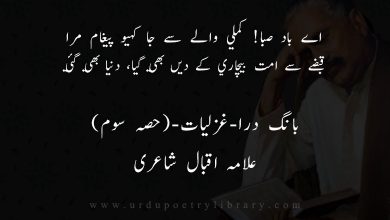
اے باد صبا! کملي والے سے جا کہيو پيغام مرا
اے بادِ صبا کملی والے سے جا کہیو پیغام مرا قبضے سے اُمت بے چاری کے، دیں بھی گیا، دنیا…
Read More » -

-

-

-
-
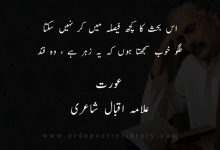
عورت

عورت
جوہرِ مرد عیاں ہوتا ہے بے منتِ غیر غیر کے ہاتھ میں ہے جوہرِ عورت کی نمود معانی: جوہر: بنیادی…
Read More » -

-

-
-

-
ملا زادہ ضیغم لولابی کشمیری کا بیاض
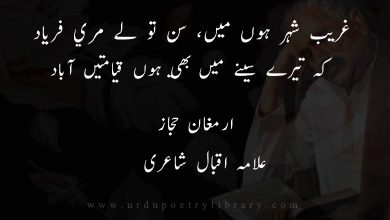
غريب شہر ہوں ميں، سن تو لے مري فرياد
(Armaghan-e-Hijaz-41) Sir Akbar Haideri, Sadar-e-Azam Haiderabad Dakkan Ke Naam (سر اکبر حیدری، صدر اعظم حیدرآباد دکن کے نام) To Sir…
Read More » -

-

-
-
-
با ل جبر یل - منظو ما ت
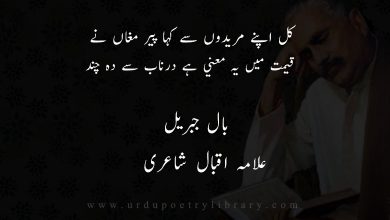
قطعہ- کل اپنے مريدوں سے کہا پير مغاں نے
کل اپنے مریدوں سے کہا پیر مغاں نے قیمت میں یہ معنی ہے درناب سے دہ چند زہراب ہے اس…
Read More » -

-
-

-
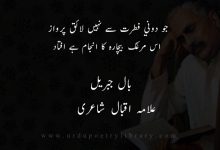
-
با نگ درا - غز ليات - (حصہ اول)
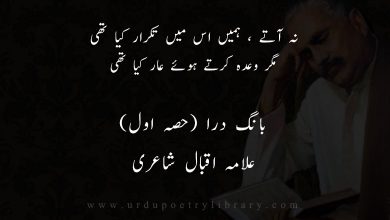
نہ آتے ، ہميں اس ميں تکرار کيا تھی
نہ آتے ہمیں اس میں تکرار کیا تھی مگر وعدہ کرتے ہوئے عار کیا تھی…
Read More » -

-

-

-

-
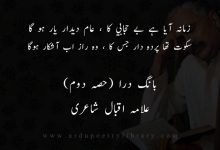
با نگ درا - غز لیات - (حصہ دوم)

يوں تو اے بزم جہاں! دلکش تھے ہنگامے ترے
يوں تو اے بزم جہاں! دلکش تھے ہنگامے ترے اک ذرا افسردگي تيرے تماشائوں ميں تھي پا گئي آسودگي کوئے محبت ميں وہ خاک مدتوں آوارہ جو حکمت کے صحرائوں ميں تھي کس قدر اے مے! تجھے رسم حجاب آئي…
Read More » -

-

-

-
-
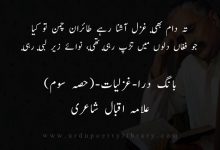
با نگ درا - غز ليات - (حصہ سوم)

کبھی اے حقيقتِ منتظر نظر آ لِباس ِمجاز ميں
کبھی اے حقیقتِ منتظر، نظر آ لباسِ مجاز میں کہ ہزاروں سجدے تڑپ رہے ہیں…
Read More » -
-
-
-

-
علامہ اقبال شاعری

يارب ! يہ جہان گزراں خوب ہے ليکن
یا رب! یہ جہانِ گزَراں خوب ہے لیکن کیوں خوار ہیں مردانِ صفا کیش و ہُنرمند مطلب: بنیادی طور پر بال جبریل کی یہ تخلیق غزل نہیں بلکہ اقبال کے مخصوص اسلوب کی نظ میں…
Read More » -
-

-

-

-
بال جبریل (حصہ دوم)

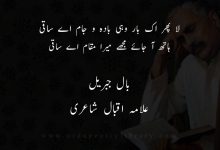
ہے ياد مجھے نکتہ سلمان خوش آہنگ
ہے یاد مجھے نکتہَ سلمانِ خوش آہنگً دنیا نہیں مردانِ جفاکش کے لیے تنگ…
Read More » -

-
-
-
-
اردو نظمیں

سر اکبرحيدري، صدر اعظم حيدر آباد دکن کے نام
سر اکبرحيدري، صدر اعظم حيدر آباد دکن کے نام ‘يوم اقبال’ کے موقع پر توشہ خانہ حضور نظام کي طرف سے ، جو صاحب صدر اعظم کے ماتحت ہے ايک ہزار روپے کا چيک بطور…
Read More » -

-


-
تعلیم و تربیت
دين و تعليم
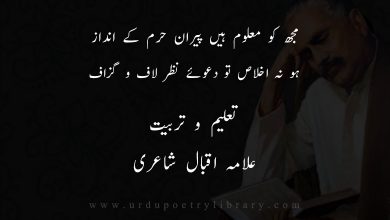
مجھ کو معلوم ہیں پیرانِ حرم کے انداز ہو نہ اخلاص تو دعوائے نظر لاف و گزاف معانی: پیرانِ حرم: کعبے کے پیر یعنی دین کے علما ۔ انداز: طریقے ۔ اخلاص: خلوص ۔ دعویٰ…
Read More » -
-
-
-

Allama Iqbal Poetry
Allama Iqbal poetry is among the most widely read and deeply loved verse in the Urdu and Persian languages. Allama Muhammad Iqbal (1877 to 1938) was born in Sialkot and studied in Lahore, and later at Cambridge, Munich and Heidelberg. Readers across the subcontinent know him as the poet whose thought shaped the demand for a separate homeland for the Muslims of India, and Pakistan honours him as its national poet. His verse ties poetry to philosophy, and most of the Allama Iqbal poetry gathered on this site circles a single question: what makes a human life awake, strong and free. This page is your guide to reading his complete poetry here, the books he wrote, the two languages he worked in, and the ideas that run through his work.
The poetry books of Allama Iqbal
Iqbal wrote in both Urdu and Persian. His Urdu books reached the widest audience, while his Persian books carry much of his core philosophy. You can read each collection in full on this site.
Urdu poetry collections
- Bang-e-Dra (The Call of the Marching Bell), 1924. His first Urdu collection, gathering work from his early years through his return from Europe, moving from nature poems and patriotic verse to the mature voice of his later thought.
- Bal-e-Jibril (Gabriel's Wing), 1935. Widely held to be his finest Urdu book, with ghazals, quatrains and longer poems in which his command of language and idea is at full height.
- Zarb-e-Kalim (The Rod of Moses), 1936. Iqbal called it his protest against the age; the poems take direct aim at politics, education, art and the condition of the Muslim world.
- Armaghan-e-Hijaz (The Gift of the Hijaz), 1938. Published in the year of his death, with sections in both Urdu and Persian.
Persian poetry collections
- Asrar-e-Khudi (Secrets of the Self), 1915. The book that first set out his idea of Khudi, the self, and how a person builds and strengthens it.
- Rumuz-e-Bekhudi (Mysteries of Selflessness), 1918. The companion to Asrar-e-Khudi, turning from the single self to the community; read it here with a couplet-by-couplet Urdu commentary.
- Payam-e-Mashriq (Message of the East), 1923. Written as a reply to Goethe's West-Eastern Divan, offering the East's answer to the West.
- Zabur-e-Ajam (Persian Psalms), 1927. Lyric poetry of great warmth, often counted among his best Persian work.
- Javid Nama, 1932. A long visionary poem in which the poet journeys through the heavens in the tradition of the spiritual ascent, meeting figures from history along the way.
The main ideas in Allama Iqbal poetry
Khudi, the self
Khudi is the centre of Iqbal's thought. He uses the word for the self, but not for pride or ego; he means the awake, responsible self that grows through effort, love and action. A strong self, in his view, does not dissolve into the world but shapes it. You can read more about where Iqbal took the idea of "Khudi Ko Kar Buland Itna".
The self and the community
For Iqbal the single self reaches its full worth inside a community. The individual gives the nation its people, and the nation gives the individual purpose and protection. This is the subject of Rumuz-e-Bekhudi and returns across his work.
Love and action
Iqbal sets ishq, love, against cold calculation. Love is the force that pushes a person past safe limits into effort and risk. Life for him is movement and struggle, not rest, and a self that stops striving begins to die.
A message to the East
Much of his later verse speaks to the Muslim world and the wider East. He asks readers to recover their own strength and vision rather than copy the West, and to build a life joined to faith, action and self-respect.
Where to read Allama Iqbal poetry on this site
We are building a full library of Allama Iqbal poetry in Urdu, Roman Urdu and English, along with explanation. You can read his collections book by book, including Bang-e-Dra, Bal-e-Jibril, Zarb-e-Kalim, and the Persian Rumuz-e-Bekhudi with a couplet-by-couplet Urdu commentary. For his life and thought in depth, see our full Allama Iqbal guide in English and the detailed Urdu biography of Allama Iqbal. New sections are added regularly.